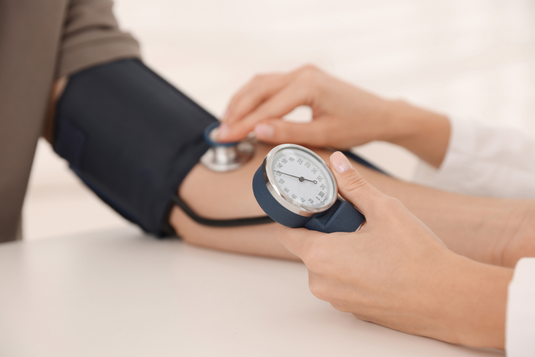
Millions of people worldwide do not have diagnosed heart, blood vessel, or kidney problems, yet they are diagnosed with high blood pressure or hypertension. Although the diagnosis sounds definitive, in many cases the true cause of elevated blood pressure remains a mystery to medical research.
Similar to type 2 diabetes, high blood pressure is often associated with lifestyle—insufficient physical activity, improper nutrition, and the need to change habits. When these measures fail, medication is typically prescribed.
However, according to Medical Medium’s information, this is not the whole picture. In many cases, high blood pressure is more closely related to the liver than to the cardiovascular system itself.
Hidden factors in high blood pressure
To understand this connection, Anthony William uses a simple analogy.
When we drink water through a straw, the liquid passes easily. If we try to drink a thicker beverage, such as a milkshake, more suction is required. And if the liquid becomes even thicker, the effort increases even more. A similar principle applies between the liver and the heart.
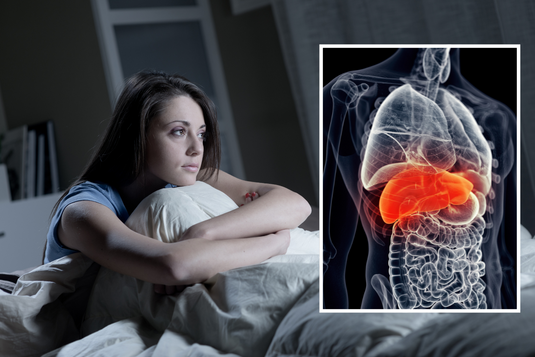
The heart draws blood directly from the liver. When the liver functions well, blood flows through it freely—like water through a straw. But when it becomes sluggish, stagnant, or overloaded with fat or toxins, it starts to act like a dirty and clogged filter.
As a result, the liver can become inflamed and constricted, making it difficult for blood to be processed and flow freely through it. The blood becomes thicker and laden with waste products, and the heart has to exert greater force to draw it from the liver and pump it through the body.
Other helpful articles about the liver:
The more overloaded the liver is, the more effort the heart has to exert. This increased effort in pumping blood also leads to an increase in blood pressure.
This is precisely how, according to Medical Medium’s information, high blood pressure for which no other clear cause has been found can arise.
Anthony William points out that the liver can be involved in this process even when standard liver function tests do not show a problem. According to him, even with a diagnosed arterial blockage, the process that led to it may have originated from the liver in one way or another.
Therefore, caring for the liver is important not only for people who already have high blood pressure, but also as a way to support long-term cardiovascular health.
Diet and high blood pressure
Poor nutrition and lack of physical activity can indeed contribute to high blood pressure, but one reason for this is their impact on the liver.
Anthony William pays particular attention to diets high in fat, salt, and vinegar. For more information on this, see the article “Problematic Foods”, as well as all individual articles on the various foods Anthony William advises us to avoid.
Excessive fat in the diet can gradually thicken the blood, while also overloading and dehydrating the liver. Over time, fat cells can begin to accumulate in and around it.
Excessive intake of inappropriate types of salt, especially in combination with a large amount of fat, can also create an additional burden. Anthony William makes an important distinction between these and natural mineral salts from whole foods, especially those in celery stalks. According to him, these mineral salts are beneficial for the liver and help balance blood pressure—both when it is high and when it is low.
Another factor that is often overlooked is vinegar. According to Medical Medium’s information, it can contribute to a sluggish and stagnant liver almost as much as alcohol.
Interestingly, sugar is not among the factors associated with this type of high blood pressure. While many diets primarily focus on restricting sugar, Anthony William advises that for high blood pressure related to the liver, greater attention should be paid to excessive intake of fat, salt, and vinegar.
When diet and exercise don't explain the problem
Some people eat healthily, consume relatively little fat, choose quality fat sources, do not overdo salt and vinegar, do not drink much alcohol, and exercise regularly—yet still develop high blood pressure.
In these cases, another possible source of liver overload—toxins and pathogens—should be considered.
Toxic heavy metals, Epstein-Barr virus (EBV), viral waste, plastics, pesticides like DDT, chlorine, fluoride, and other toxic substances can gradually accumulate in the liver.
This accumulation can have a similar effect to excessive fat—the liver becomes more stagnant and overloaded, blood flow through it is impeded, and the heart has to work harder.
It is important to note that this is not necessarily a choice between "lifestyle" and toxins. A person can simultaneously have several factors—insufficient physical activity, inappropriate diet, accumulated toxins in the liver, and other additional burdens.
Chronic dehydration
Another important factor is chronic dehydration.
Many people live with chronic dehydration without realizing it. Insufficient hydration thickens the blood, thereby further increasing the effort the heart must exert to draw it from the liver and pump it through the body.
Therefore, restoring and maintaining good hydration is an important part of caring for the liver and cardiovascular system.
Learn more about chronic dehydration in the article “Chronic Dehydration”.
What is the role of stress?
Stress is often cited as one of the main causes of high blood pressure because it can cause blood vessels to constrict. However, according to Medical Medium's information, stress itself is usually not the primary cause of chronic hypertension.
There are people who live with very little stress yet have high blood pressure. At the same time, others go through extremely stressful periods without developing hypertension.
The link between stress and high blood pressure lies primarily in adrenaline and how the liver handles it.
During intense or prolonged stress, the adrenal glands release increased amounts of adrenaline. The liver must absorb this adrenaline to protect the rest of the body from its effects.
Not all adrenaline is the same. The body produces different mixtures of adrenaline depending on the situation. Adrenaline during normal daily activities differs from that released during fear, anger, conflict, loss of trust, or other strong emotional situations. For more information on this topic, see the article “Adrenal Gland Problems”.
These strong surges can further burden the liver. When it is already overloaded and saturated with adrenaline, blood flows through it with difficulty, and its return to the heart is impeded. Thus, chronic stress can become another factor contributing to elevated blood pressure.
How to manage high blood pressure
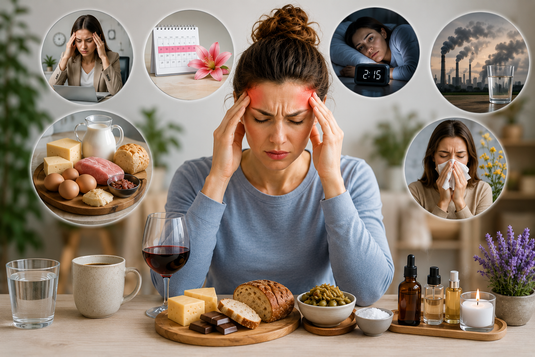
For each person, the combination of factors contributing to high blood pressure can be different. For some, diet plays a greater role, for others, toxic overload, chronic dehydration, or stress, and often several of these factors act simultaneously.
What they have in common is the condition of the liver.
Caring for the heart and blood vessels cannot be complete if the liver is simultaneously neglected. Physical activity, healthy eating, and appropriate dietary supplements can be helpful, but typical recommendations for cardiovascular health often overlook this connection.
Even if a person is physically active, has no visible excess body fat, and strives for a healthy lifestyle, this does not automatically mean that their liver is not overloaded.
Caring for the liver is simultaneously caring for blood pressure, blood vessels, and the heart. Supporting the liver and reducing the factors that burden it are at the core of the approach to managing high blood pressure.
See the continuation of the article “Healing Foods and Supplement Protocol for High Blood Pressure by Medical Medium”.