It is a widely held belief that the primary cause of diabetes is sugar, which leads to recommendations to follow a low-carbohydrate diet and avoid sugar at all costs, including fruit. Sugar and unhealthy carbohydrates from foods like sweets, cakes, cookies, donuts, and candy are indeed harmful to us and should be avoided. However, our bodies need healthy carbohydrates to function, which can be found in foods like pumpkin, sweet potatoes, carrots, lentils, black beans, berries, apples, and other fruits.
When we eat carbohydrates (regardless of their source), our bodies break them down into glucose (blood sugar), which is converted into fuel that keeps us moving and alive. When glucose levels rise, our pancreas releases the hormone insulin. Insulin helps move glucose from the bloodstream into cells, where it can be used for energy, and keeps blood sugar levels stable. However, this process can go wrong if the pancreas does not produce enough insulin or if some of your cells stop responding to insulin, which is called insulin resistance. In either case, blood sugar levels remain elevated, putting you at risk for type 2 diabetes. (You can read more on this topic in the two parts of the article: “Anthony William’s Advice for Type 2 Diabetes and Hypoglycemia”).
The Role of Fat
Contrary to popular belief, one of the factors much more likely to put you at risk for insulin resistance and diabetes than the healthy carbohydrates we listed above is a high-fat diet. There are several reasons for this. First, high levels of fat in the blood place a significant burden on the liver, pancreas, and adrenal glands, which work together to manage blood sugar levels. The liver has to bear the brunt of processing the fats you consume, so a high-fat diet can make the liver sluggish and unable to store and release glucose as it should. Excess fat burdens the pancreas, as it must release enzymes to help digest the fats.
Furthermore, when blood fat levels are high, the adrenal glands flood the body with adrenaline. Although this increases digestive strength to help move fat through the system, excess adrenaline can exhaust the pancreas, reducing its ability to produce enough insulin to keep glucose levels normal. Finally, high levels of fat in the blood can prevent glucose from entering cells. This does not mean that all fats, even healthy fats like nuts, seeds, and avocados, are harmful to us and should be completely eliminated.
Regardless of the diet you choose, fat intake simply needs to be moderate to avoid excessively high blood fat levels when dealing with prediabetes or type 2 diabetes. For example, if you eat a vegan diet, reduce the amount of fat you consume from nuts, nut butters, seeds, oils, avocados, etc. If you are an ovo-lacto vegetarian, reduce eggs, dairy, nuts, seeds, oils, avocados, etc. If your diet includes animal proteins, limit your meat consumption to one portion per day (even lean meats contain significant amounts of fat).
Reducing fat in this way helps relieve the burden on the pancreas, liver, and adrenal glands, which is very important for preventing and/or recovering from diabetes. If you choose to eat a high-fat diet (which may normalize A1C levels in the short term), it becomes especially important to limit your carbohydrate intake, as a diet high in both fat and carbohydrates will put even more strain on your body’s systems. Ultimately, reducing fat in your diet and incorporating healthy carbohydrates from those listed above will help give you the best chance of recovering from diabetes and keeping your A1C levels in a healthy range for longer.
The Role of Adrenaline
A precursor to type 2 diabetes is hypoglycemia (when glucose levels drop below normal), which is caused by a stagnant, sluggish, overburdened, or weakened liver and dysfunction of the adrenal glands. In fact, both type 2 diabetes and hypoglycemia usually begin with improper functioning of the adrenal glands. When you experience chronic stress, for example, the adrenal glands release large amounts of adrenaline, which is very harmful to the pancreas. Hypoglycemia can also occur if you do not consume at least one light, balanced snack – for example, a fruit (for sugar and potassium) and a vegetable (for sodium) – every two hours.
Skipping meals forces your body to use up its glucose stores in the liver, causing the body to run on adrenaline, which can damage your pancreas and lead to insulin resistance. Too little adrenaline can also harm your pancreas, as it forces it to work overtime to compensate. Adrenal fatigue, where unstable adrenal glands alternate between producing too much and too little adrenaline, can also damage your pancreas, as it tries to compensate for periods of adrenaline deficiency and then gets burned out by overproduction. (for more information on adrenal fatigue click here)
Healing Foods
In addition to reducing fat intake, it is important to include healthy carbohydrates in your diet. Healing carbohydrates, such as pumpkin, sweet potatoes, other root vegetables, and fruits, contain nutrients essential for optimal health, and when the natural sugars in these healthy carbohydrates are bound to these nutrients, it does not wreak havoc on your blood sugar levels the way processed sugar does.
Wild blueberries, papaya, blackberries, apples, and raspberries are the best fruits to eat if you have type 2 diabetes or hypoglycemia. Vegetables to focus on include spinach, celery, sprouts, kale, and asparagus. These foods help detoxify the liver, strengthen glucose levels, support the pancreas, stimulate the adrenal glands, and stabilize insulin. To keep your blood fats under control, it is best to avoid cheese, milk, cream, butter, eggs, processed oils, and all sugars except raw honey and fruit.
Although these recommendations go against traditional strategies for preventing and managing type 2 diabetes, emphasizing nutrient-dense fruits and vegetables and reducing fat in the diet relieves the burden on the liver, pancreas, and adrenal glands, helping them perform their duties, including keeping your blood sugar as stable as possible. Make friends with healthy carbohydrates and fruits, reduce your fat intake, and reclaim the healthy life you are used to living!
Nutritional Supplements for Diabetes (Type 1, Type 1.5 (LADA), and Type 2), Prediabetes, Hypoglycemia, and Blood Sugar Imbalance
Root Cause: Type 1 and type 1.5 diabetes (the latter is also known as Latent Autoimmune Diabetes in Adults (LADA)) are caused by damage to the pancreas, usually by a pathogen such as a virus or bacteria, and sometimes even by physical trauma. The severity of the pathogen and the condition of the pancreas determine the severity of an individual case of diabetes. Sometimes, pathogenic damage is slow or occurs later in life, leading to type 1.5 (LADA) diabetes. Alongside type 1 or 1.5 diabetes, you may have a sluggish, stagnant liver and a diet that is too high in fat, creating issues with insulin resistance.
Type 2 diabetes is caused by a sluggish, stagnant liver filled with various toxins, including viral toxins from a virus, such as one of the over 60 varieties of the Epstein-Barr virus. At the same time, the liver has lost its glycogen stores, so the pancreas must work harder, becoming overloaded due to the constant issues with insulin resistance that arise from a long-term high-fat and high-protein diet.
Anthony William’s Supplement Protocol for Diabetes, Prediabetes, and Diabetic Conditions:
- Fresh Celery Stalk Juice: up to 1 liter daily
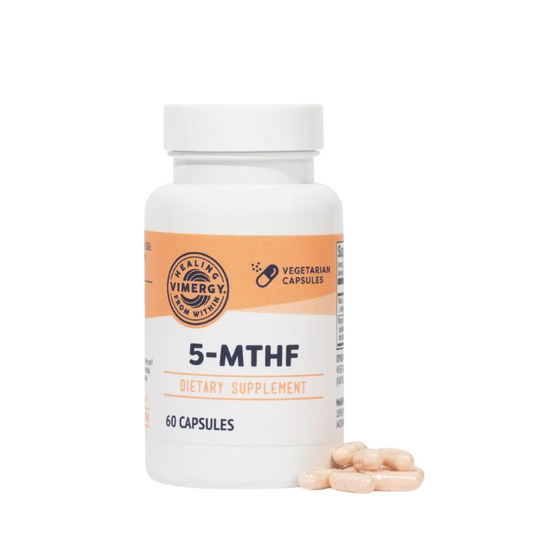
- 5-MTHF: 1 capsule twice daily
- Amla Powder: 2 tsp twice daily
- Ashwagandha: 1 dropperful twice daily
- Barley Grass Juice Powder: 2 tsp or 6 capsules daily
- Chaga Mushroom: 2 tsp or 6 capsules daily
- Glutathione: 1 capsule daily
- Hibiscus: 1 cup of tea twice daily
- Lemon Balm: 2 dropperfuls or 1 cup of tea twice daily
- L-Lysine: 2 capsules of 500 mg twice daily
- Nascent Iodine: 6 small drops (not dropperfuls) daily
- Organic Nettle Leaf: 2 dropperfuls or 1 cup of tea twice daily
- Rose Hips: 1 cup of tea twice daily
- Schisandra Berry: 1 cup of tea twice daily
- Turmeric: 2 capsules twice daily
- Spirulina: 2 tsp or 6 capsules daily
- Vitamin C (as Micro-C): 4 capsules twice daily
- Vitamin B12 (as adenosylcobalamin with methylcobalamin): 1 dropperful twice daily
- Wild Blueberry Powder: 1 tbsp daily
-
Zinc (as liquid zinc sulfate): up to 1 dropperful twice daily
Other useful articles on diabetes:
"Anthony William’s Advice for Type 2 Diabetes and Hypoglycemia (Part 1)"
"Anthony William’s Advice for Type 2 Diabetes and Hypoglycemia (Part 2)"
"How Celery Stalk Juice Helps Treat Diabetes, Hyperglycemia, and Hypoglycemia"