Common sources of toxic odors
- Electric air fresheners
- Scented candles
- Aerosol air fresheners
- Air fresheners in bottles
- Colognes and aftershave lotion
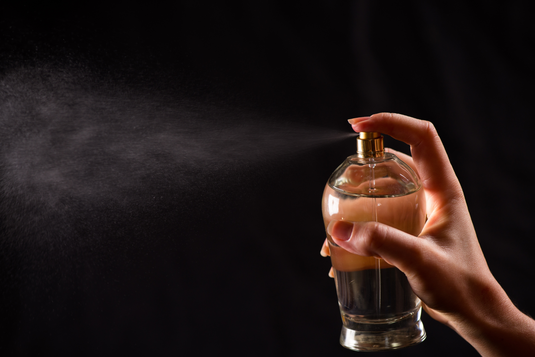
- Perfume
- Car air fresheners
- Incense
- Aroma diffusers
- Scented body lotions, creams, sprays, shower gels and deodorants
- Scented shampoos, conditioners, gels and other hair products
- Scented laundry detergents, fabric softeners, and dryer sheets
- Cosmetics and makeup
- Dryer dust (waste gases in the air from dryers in homes that use conventional laundry detergents, colognes, perfumes, scented candles, and air fresheners)
The fragrance sector of the chemical industry is far from harmless. The industry has its own goals. One of its goals is to maintain the mass production of chemicals. To achieve this, it wants to make people continue to buy its chemicals, and to do so, it wants to educate and convince them that they need these synthetic fragrances and scents. Last but not least, it wants to take away any possibility in the future of anyone knowing what nature really smells like. Whether you smell the sea air on the beach, smell the earth and fresh air of the forest, or smell the flowers and freshly cut grass as the wind rustles through the trees in your backyard, they want to disrupt that authentic experience. We are approaching a time when we will not know what these natural scents around us smell like. We will be surrounded only by synthetic scents.
You can learn more about the various products of the chemical industry that are harmful to our health from the article "Pests that make us sick - household chemical products" .
Fragrances are different from other toxic chemicals. Many toxic chemicals have a shelf life and break down over time. Rain can dilute some toxic chemicals outdoors, for example, diluting them and making them less harmful. Rain cannot dilute a toxic chemical that is saturated with fragrance. Fragrances are designed to last an extremely long time and not break down. In many cases, the scent can be overwhelming. We are on the verge of never being able to enjoy the ocean air again when we stand on the beach because we will only smell the scents emitted by the people around us.
The labels of the different fragrances
Fragrances are unidentified chemicals, even more so than other chemical products. One loophole in chemical industry regulations allows fragrances to not provide a list of the many chemicals they contain. When you see the word “fragrance” on a product’s ingredient list, it’s a sign of corruption because that word covers a multitude of different chemicals that are not listed as ingredients in the product.
Using a product that says “natural fragrance” is not a solution. Natural fragrances still contain fragrances from the chemical industry. The chemical industry has the right to call a fragrance “natural” if even a single essential oil has been added to the mixture of industrial chemicals.
Whether scented products appear conventional or natural, you’ll find “fragrance,” “natural fragrance,” or “parfum” listed on their ingredients list. You won’t see a list of the chemicals in that fragrance or perfume, so you won’t know how many industrially created chemicals are used to make that scent. Even if it says “natural,” that still doesn’t mean it’s problem-free.
Many people who are concerned about health are concerned about conventional products, so they use clean beauty products, clean hair products, and clean skin products. At the same time, all of these products contain fragrances, natural fragrances, perfume, or a combination of them. If we had access to a chemical plant to watch people in hazmat suits walking around giant containers bubbling with chemicals, and then see how these chemicals are added to a fragrance that is sold to various companies that sell all of these products, we would be shocked to say the least.
Compromised self-care
We live healthier lives, eat healthier food, care for the environment, but at the same time we allow perfumes, colognes, and fragrances to be everywhere. Many people worry about climate change, but at the same time they pollute the climate with chemical products that are highly toxic and even affect wildlife.
One reason we turn to scents is for self-care. We choose perfumes, scented candles, scented lotions, and anything scented because they are supposed to relax us and put us in the right mood. We think we are promoting our well-being by using scents. Another reason we use so much scent is because our bodies have an odor, and scents are our way of masking it. That means all these chemicals from scents are in our brains. We are allowing the chemical giants to damage our brains, age our skin and bodies, age our lungs and organs, accelerate the disease process, and age our pets at the same time.
Fragrances are found in air fresheners, scented candles, cosmetics (including pure cosmetics), skin, hair and body care products (whether pure or regular and conventional), and laundry products. The more organic or pure our home care and other body care products are, the more loopholes chemical giants find to sneak their fragrances with unidentified toxic chemicals into these products. It is imperative that we become wiser and avoid fragrances, including perfumes.
Forced exposure
We also need to be aware of the ways in which the chemical industry tries to expose us to these scents, even when we don't personally use them. For example: scented candles and air fresheners that plug into an outlet saturate the walls. Even if the person using them moves out, anyone who moves into the home or office after that has to contend with that residual scent.
Fragrances can be a breeding ground for mold. Burning scented candles or using air fresheners can create a film that coats all the fabrics and objects in your home, trapping dust and debris floating in the air. Trapped in the film, this debris can trap moisture, creating the perfect environment for mold to grow. People often use fragrances to mask the smell of mold or mildew in a room. In such a situation, when mold is already present, adding scented products like air fresheners or scented candles can accelerate the spread of mold.
Online store warehouses ship products like clothing that are infused with fragrances, thus contaminating the products that arrive in our homes and workplaces.
Dryer dust is extremely toxic when fragrances are used in the home, which means that neighbors are also exposed to it. This dryer dust is a combination of home air fresheners, perfumes, colognes, scented candles, cosmetics and body products that permeate all the clothes that are washed, combined with the fragrances of the detergents and fabric softeners used, all of which are blown out with hot air and pollute the environment.
In addition to household chemical products, there are many other pests that make us sick. To learn more about them, see the other articles in the series:
“Pests that make us sick – industrial chemistry”
“Pests that make us sick – petroleum products”
“Pests that make us sick – viruses and viral waste”
“Pests that make us sick – bacteria and other microbes”
“Pests that make us sick – chemicals in food”
“Pests that make us sick – radiation”
“Pests that make us sick – toxic heavy metals”