Unexplained hair thinning and hair loss are often a symptom of the destructive presence of the Epstein-Barr virus (EBV) in the body. According to information presented by the Medium Healer, hair loss is not due to low thyroid hormone production, as is commonly believed. The main factor is the increased secretion of adrenaline and cortisol – stress hormones produced by the adrenal glands .
The adrenal glands are one of the most important glands in the endocrine system and act as regulators in the body. When the thyroid gland is under stress, the adrenal glands are activated and begin to produce additional hormones to compensate. If this happens from time to time, the body can cope without serious consequences. However, when the thyroid gland is under constant stress due to a viral infection, the adrenal glands are forced to constantly compensate. Repetitive waves of stress hormones burden the body and can lead to thinning hair or increased hair loss. You can find more on this topic in the article “Adrenal Gland Problems” .
Hair problems don't always show up right away. Hair follicles have a delayed response to stress hormones. So it can take six to nine months, and sometimes up to a year, after the virus reaches the thyroid gland before you see any noticeable changes in your hair health.
If there are no other symptoms, it is possible that the hair loss is not related to viral activity in the thyroid gland. In this case, the thinning of the hair may be the result of severe stress experienced months earlier. A breakup, serious changes in the relationship or childbirth are among the most common examples. Often a person already feels calm and the situation has passed, when suddenly they start to notice more hair in the brush or in the bathroom drain. The reason is precisely the delayed reaction of the hair follicles to past stressful events.
On the other hand, in people who are under constant stress or suffer from nutritional deficiencies, the period between the stress and the onset of hair loss can be significantly shorter. In people prone to eczema, hair loss is often more severe, as the scalp is already irritated and more sensitive. See more in the article “Eczema and Psoriasis” .
Another common cause of hair loss is the use of certain medications – including thyroid medications, antibiotics and other pharmaceuticals. There have been numerous cases of women starting to lose their hair soon after starting thyroid medication, although these medications are often prescribed specifically for hair thinning, which is considered a symptom of a thyroid problem. Read more in the article “Anthony William on Thyroid Medications” .
Sometimes it seems that thyroid medication initially stops hair loss. In reality, this is often a coincidence. It is not uncommon for a person to go through a stressful period that leads to hair loss a few months later. The doctor may suspect a thyroid problem and prescribe hormonal medication. At the same time, the hair loss gradually stops, giving the impression that the medication has helped. In fact, the hair loss decreases because the adrenal glands are now starting to recover from the stress experienced, which also allows the hair follicles to recover.
In this case, the hair loss would have stopped without the medication. The medication simply masks the body's natural recovery process. If the patient continues to take the prescribed medication, there is a chance that the hair will start falling out again after a few months, which creates confusion for both the patient and the doctor, since it was initially thought that the medication had solved the problem.
In some cases, exposure to radiation can also cause hair thinning. Even a single dental X-ray can cause temporary hair thinning for about one to two months. See more in the article “Pests That Make Us Sick – Radiation” .
Change in hair structure
Changes in hair texture – where it becomes more brittle, dry or coarse – are often associated with the presence of the Epstein-Barr virus in the liver. According to the Medium Healer, the virus can release internal dermatotoxins that reach the scalp. Combined with long-term nutritional deficiencies and repeated adrenaline surges, this can lead to changes in hair quality.
Hair can lose its shine for another reason. When the body is fighting a viral infection, it diverts valuable nutritional resources – trace elements, vitamins and antioxidants – to support the immune system. These are the same nutrients that normally keep hair healthy and vibrant. When these are diverted to fighting the infection, hair can temporarily be left without the necessary nutritional support.
Healer Medium's nutritional supplement protocol for hair thinning and hair loss
According to Anthony William, the cause of hair loss and hair problems is a stagnant and sluggish liver, loaded with toxic heavy metals and/or pathogens, combined with a deficiency of a key hormone produced by the adrenal glands that keeps hair follicles vital and stimulates hair growth.
In his book , Brain Rescue, Anthony William recommends dozens of supplement protocols for various conditions and symptoms. In the following lines, we will introduce you to the supplement protocol for thinning hair and hair loss:
-
Fresh celery juice : gradually increase to about 1 liter daily;
-
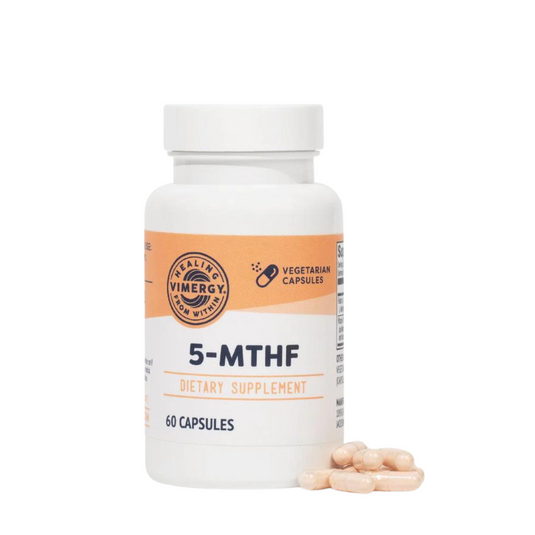
5-MTHF : 1 capsule daily;
-
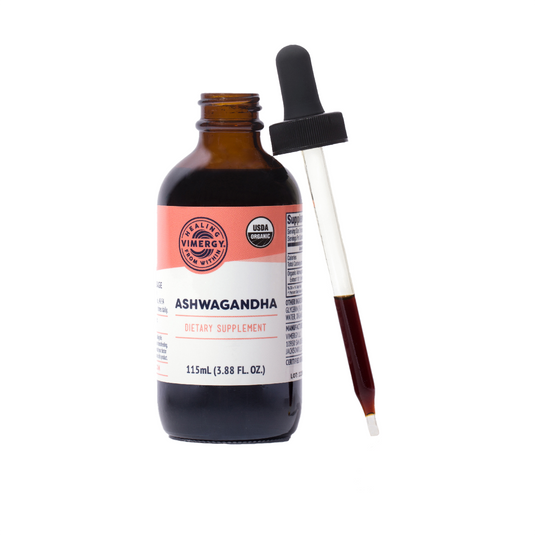
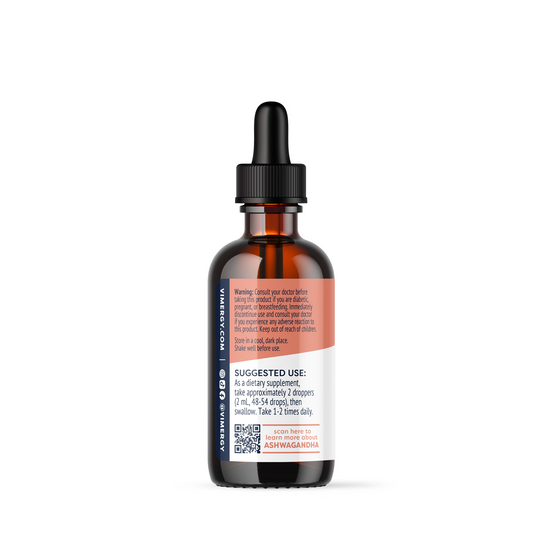
Ashwagandha: 3 droppers twice daily;
-
Barley grass juice powder : 1 tablespoon or 9 capsules daily;
-
Burdock root: 1 cup of tea or 1 fresh root, juiced daily;
-
Organic chaga extract : 1 tablespoon powder or 9 capsules daily;
-
Coenzyme Q10: 1 capsule daily;
-
Curcumin : 2 capsules twice daily;
-
Vegan Omega 3 (EPA and DHA) : 1 capsule daily (with dinner);
-
Organic lemon balm : 2 droppers twice daily;
-
L-glutamine: 2 capsules twice daily;
-
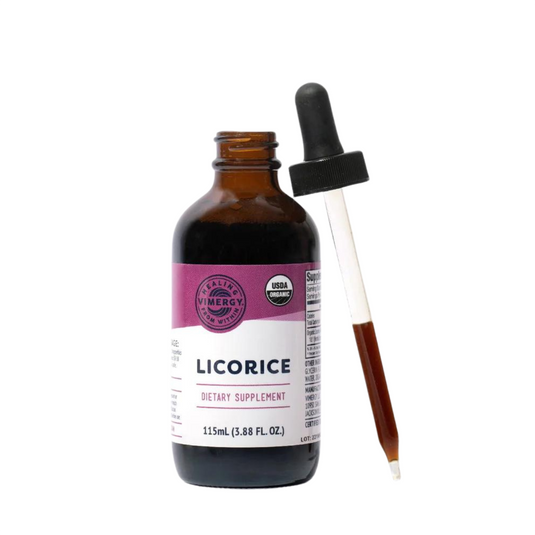
Licorice root: 1 dropper daily (take for 2 weeks, then take a 2-week break);
-
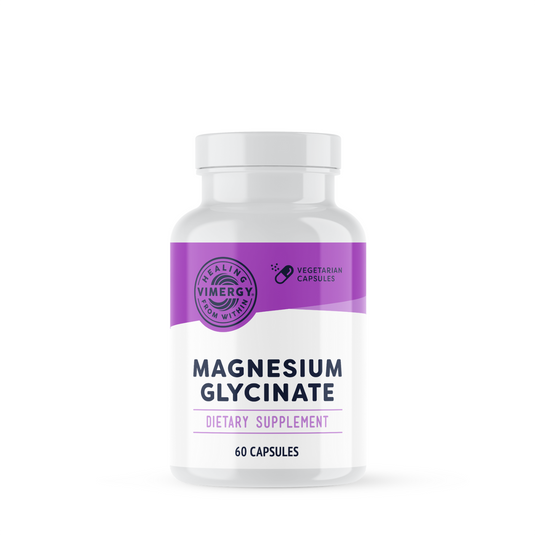
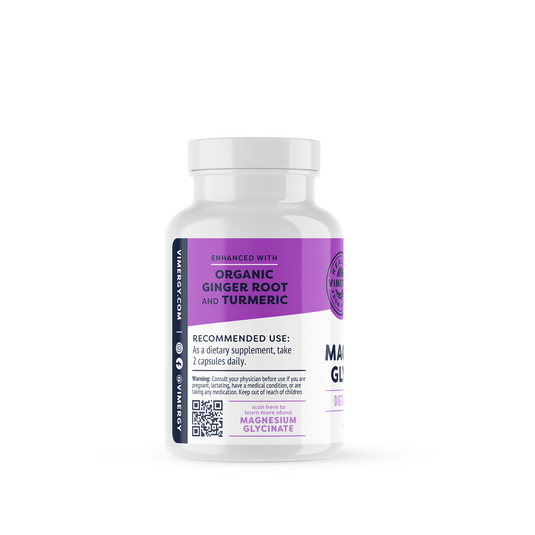
Magnesium glycinate : 2 capsules twice daily;
-
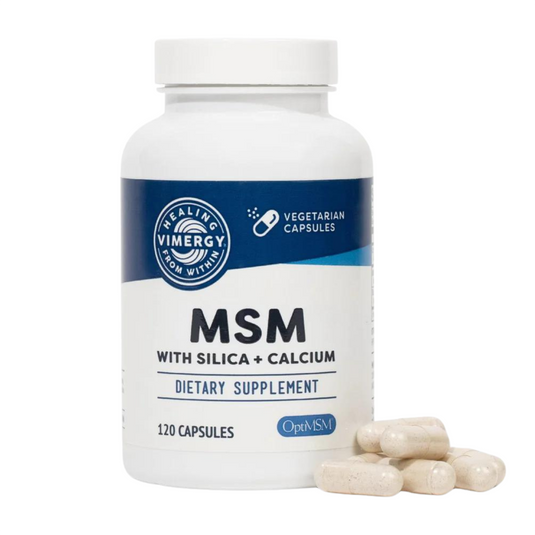
MSM: 1 capsule daily;
-
Atomic iodine: 2 small drops daily;
-
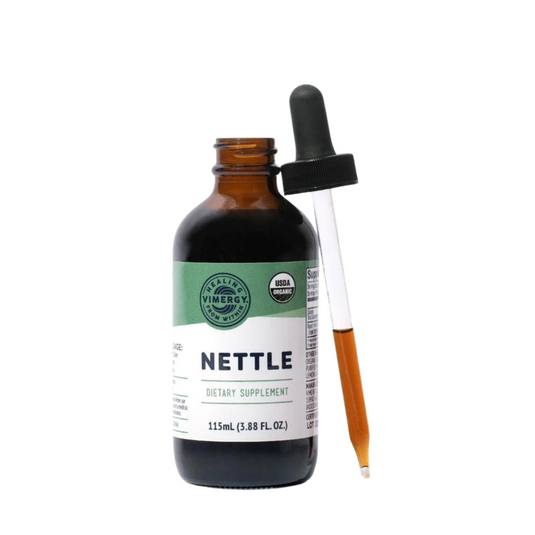
Organic nettle : 4 droppers daily;
-
Raspberry leaves: 1 cup of tea with 2 tea bags, twice daily;
-
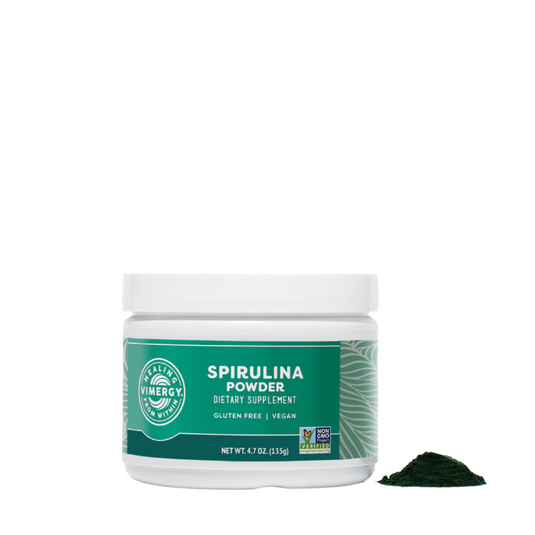
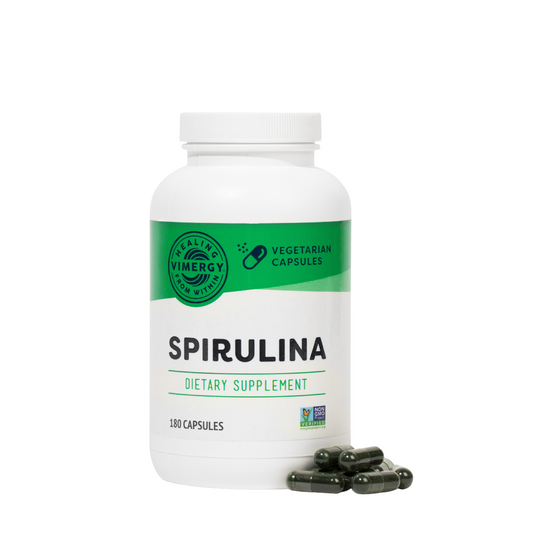
Spirulina : 2 tsp or 6 capsules daily;
-
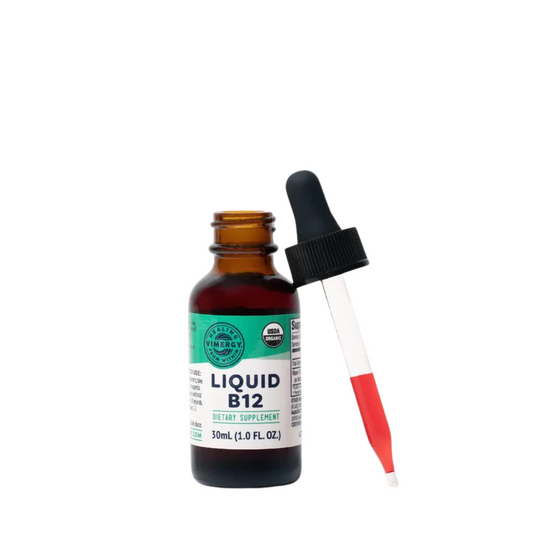
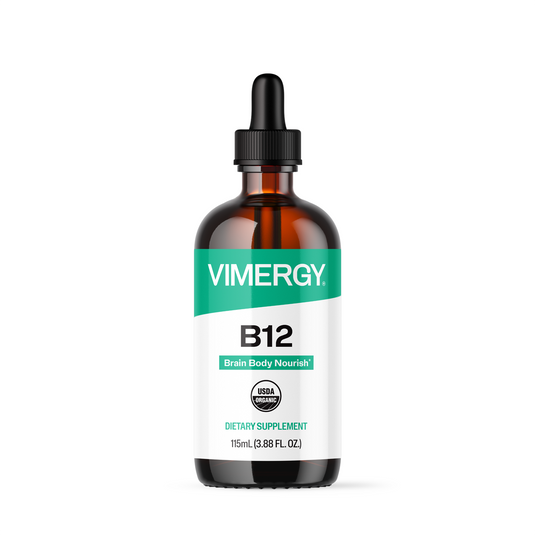
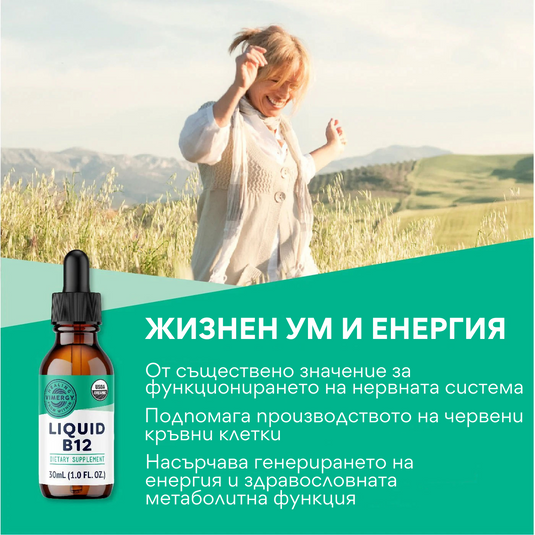
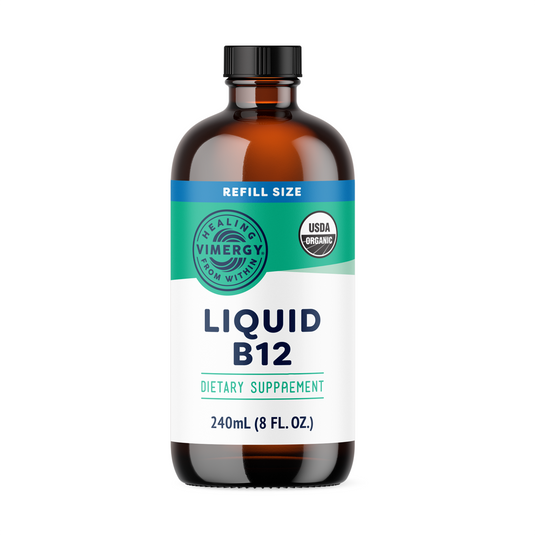
Vitamin B12 (as adenosylcobalamin with methylcobalamin) : 2 droppers twice daily;
-
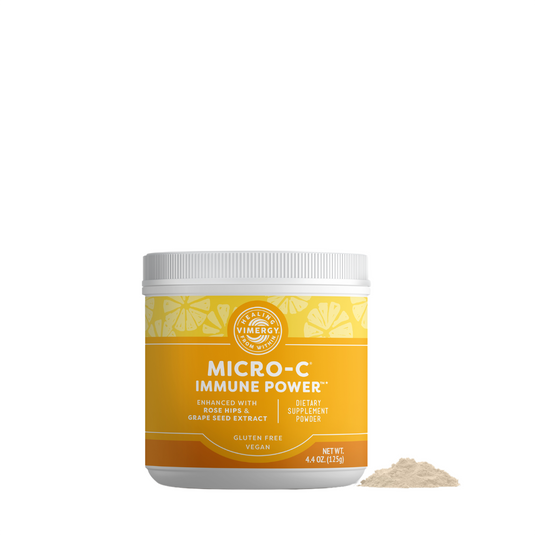
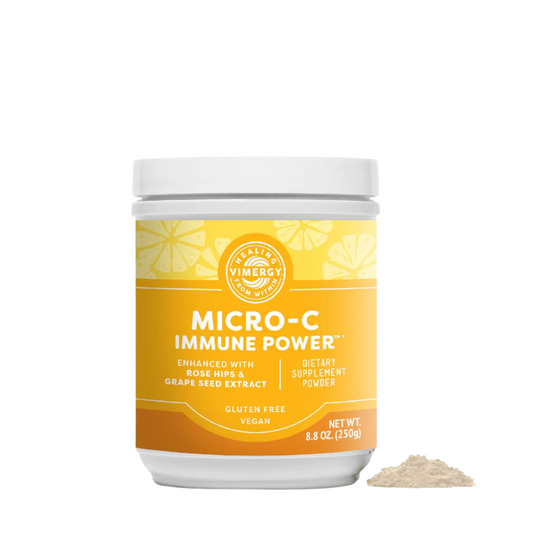
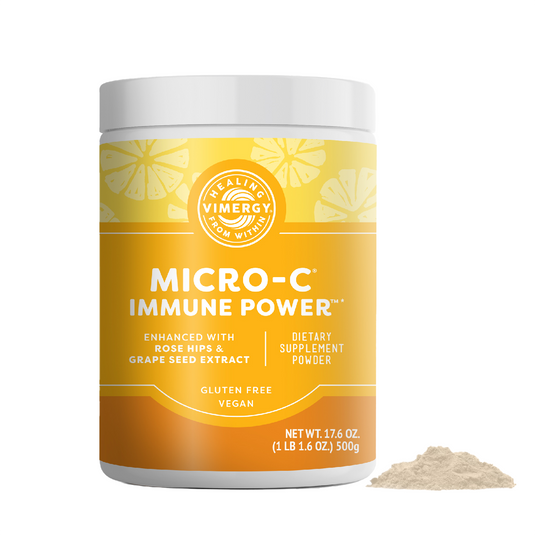
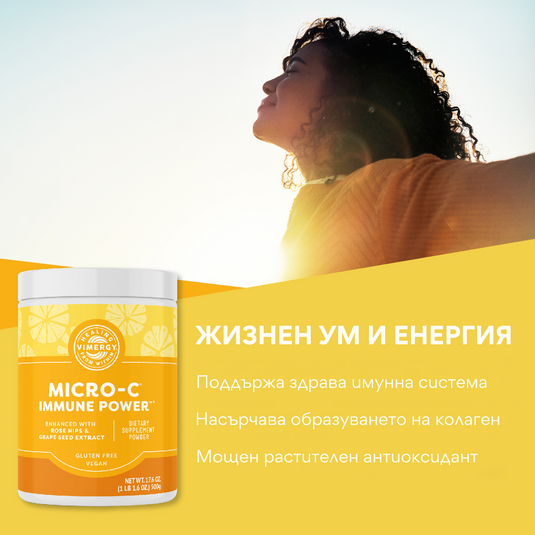
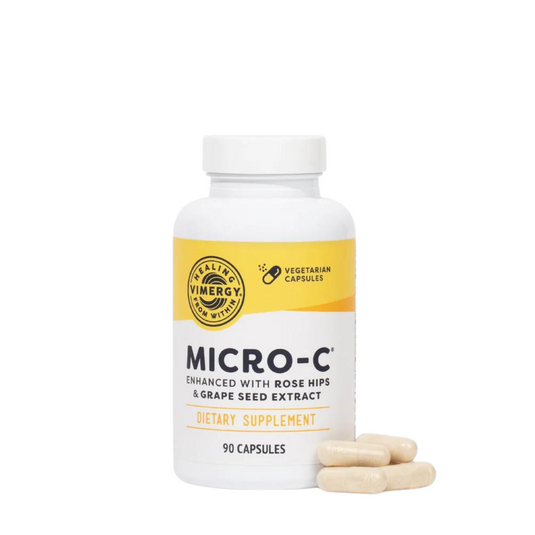
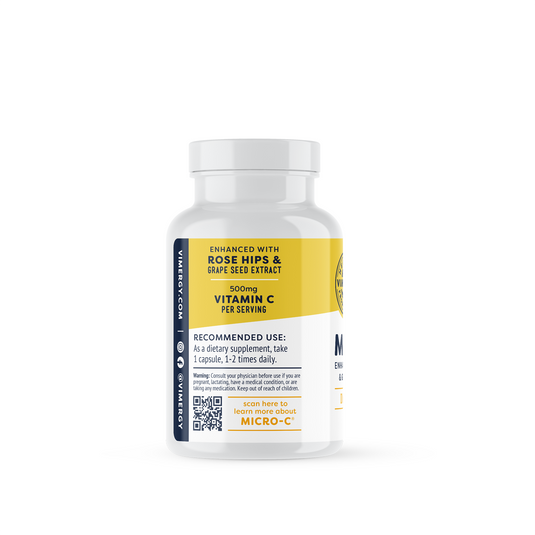
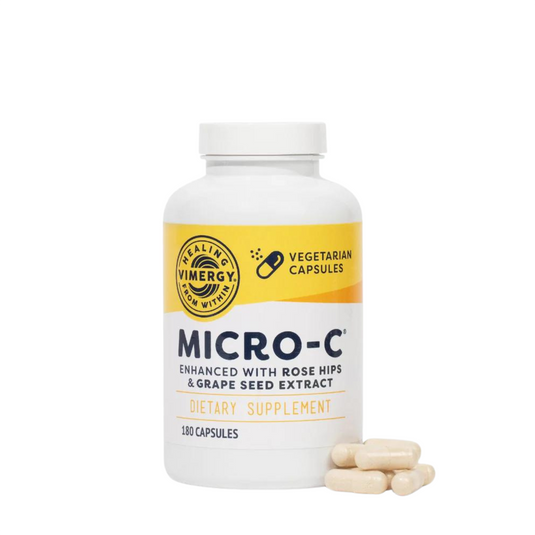
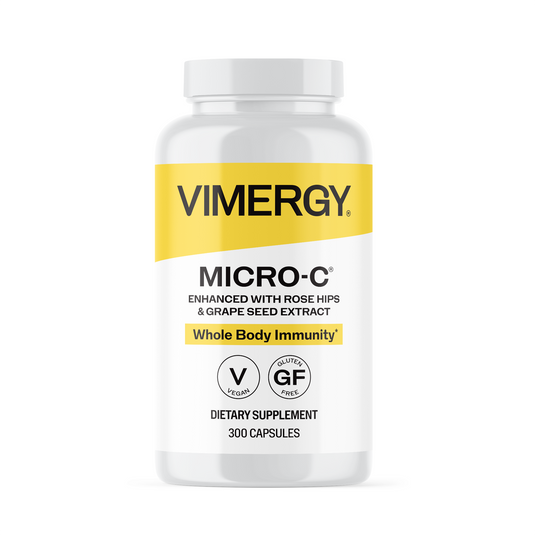
Vitamin C (as Micro-C) : 4 capsules or 1 scoop of Micro-C Immune Power powder, twice daily;
-
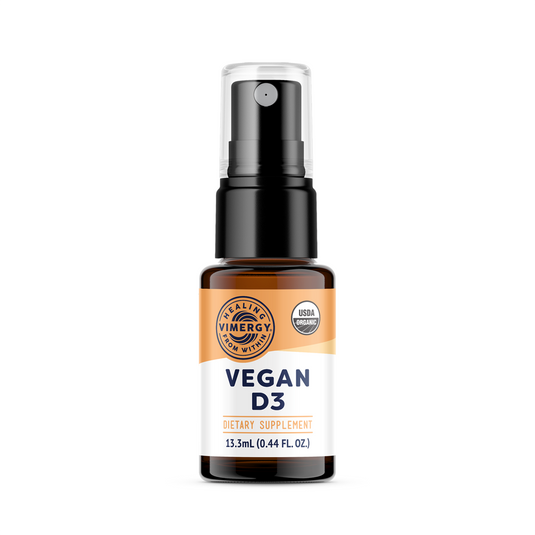
Vitamin D3 : 1000 IU every other day;
-
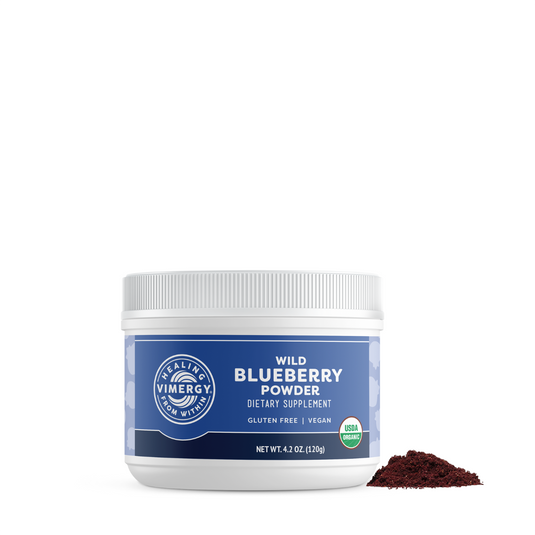
Wild blueberries powder : 1 tablespoon daily;
-
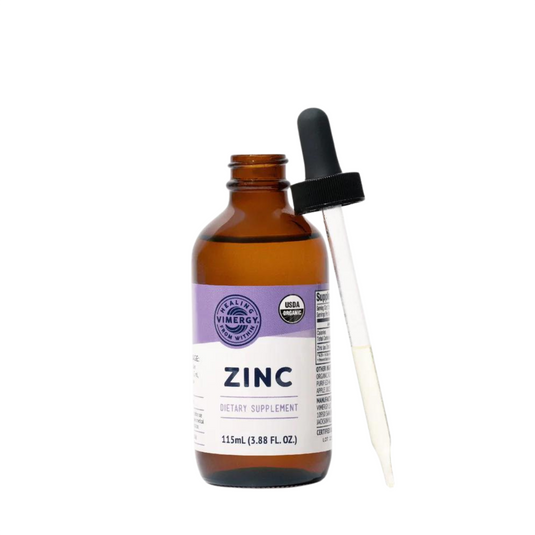
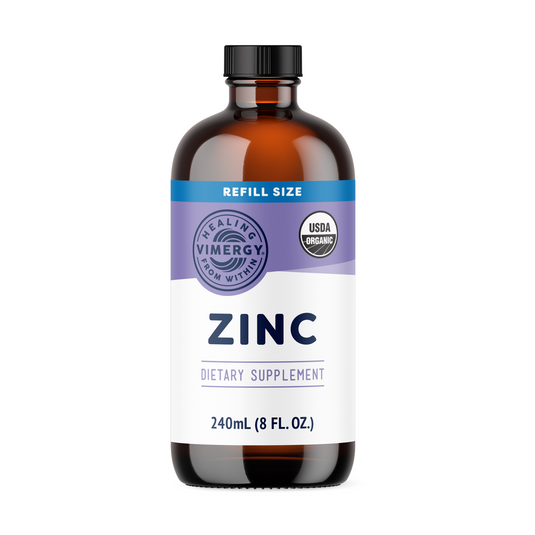
Zinc (as liquid zinc sulfate) : 1 dropper twice daily.
Other useful articles on the topic: